DIY Carport Kit Assistance: You Supply It, We Install It
If you have ever shopped for a carport kit online, you know the range of options is huge. You can pick a style, a size, a color, and a wind rating that fits your property. What you might not expect is how much work remains after the box arrives. The kit itself is only half the story. The other half is the installation.
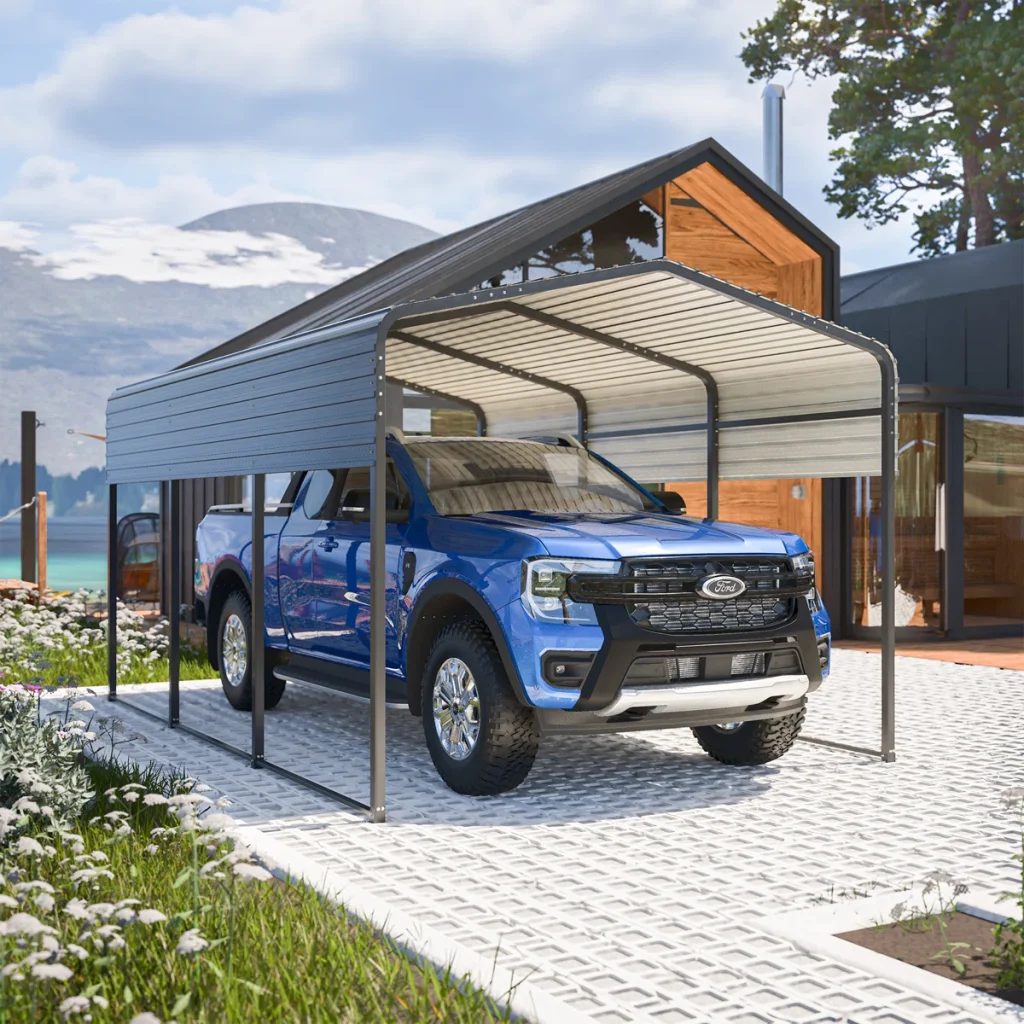
A prefabricated carport kit from a brand like Arrow, Yardist, or VersaTube comes with pre-cut metal frames, roof panels, and hardware. The instructions are clear enough for a skilled DIYer, but the real challenge is getting the structure to sit level, square, and secure on your specific piece of ground. That is where a professional installation service makes a difference. You supply the kit, and We Install It. That arrangement lets you pick exactly the carport you want without worrying about the heavy lifting, the concrete work, or the anchor details.
Why Installation Is the Hard Part
A carport kit is heavy. The steel beams, the roof sheets, and the hardware can add up to several hundred pounds. Moving those pieces into position, especially overhead, requires more than two people and a ladder. It requires a plan for the foundation, a strategy for lifting the roof panels, and careful attention to the anchor points that will hold everything down in a storm.
The ground itself is rarely flat. Even a driveway that looks level may have a slight slope that throws off the alignment of the entire frame. A proper installation starts with a site survey. A technician walks the area, checks the slope, and identifies any obstacles like underground utilities or tree roots. That survey also looks at the soil type. Sandy soil behaves differently than clay when you drive lag bolts or set anchor kits. If the ground is soft, you might need a gravel base. If the area is prone to frost heave, you might need a concrete slab or a subfloor built from pressure-treated lumber.
All of these decisions happen before the first piece of metal goes up. And they are decisions most homeowners are not trained to make. A professional crew has the experience to read the site and adapt the installation to the conditions. That is the value of a service that says We Install It. They bring the knowledge and the tools, and you bring the kit you already chose.
Anchoring and Safety
A carport that looks great but is not anchored properly can become a hazard. Wind can catch the underside of the roof and lift the whole structure if the anchor points are weak. That is why every reputable installation follows the wind rating specified by the manufacturer. Arrow, Yardist, and VersaTube each publish a wind rating for their kits. That rating assumes the kit is installed on a solid foundation with the correct anchor hardware. If you skip the concrete slab or use the wrong anchor kit, you void that rating and put your property at risk.
Snow load is another factor that gets overlooked. In colder climates, the weight of wet snow sitting on a carport roof can exceed the frame capacity if the installation does not distribute the load properly. The anchor points, the roof bracing, and the way the frame sits on the foundation all affect how much snow the structure can hold. A professional installation accounts for the local snow load requirements and reinforces the frame where needed.
Anchor Kits and Hardware
The anchor kit that comes with your carport is designed for a standard installation. But standard does not mean universal. If your driveway is concrete, the crew will drill into the slab and set lag bolts with expansion shields. If the surface is asphalt, they may use a different anchor system that grips the material without cracking it. For a gravel base, they will pour concrete footings and embed the anchor plates before the gravel goes down. Each method has its own tools and its own timeline.
Ratchet straps are sometimes used during assembly to hold panels in place while the bolts are tightened. They are not a permanent solution. The permanent hold comes from the anchor kit and the bolts that connect the frame to the foundation. A good installation crew knows the difference and never leaves a strap as a substitute for a bolt.
Leveling and the Subfloor
Leveling a carport is more than making the frame sit straight. If the frame is not level, the roof panels will not line up correctly. Gaps appear between the panels, and water finds its way inside. Over time, that water damages the stored vehicle or the carport floor. A level installation starts with a properly prepared subfloor. That subfloor can be a concrete slab, a gravel base, or a wood frame made from pressure-treated lumber. Each material has trade-offs.
Concrete is permanent and provides the strongest anchor base. But it costs more and takes time to cure. Gravel is cheaper and drains water well, but it can shift over time if not compacted properly. Pressure-treated lumber is a good middle ground for carports that sit on existing pavement. You build a frame, level it with shims, and bolt the carport to the wood. That approach works well for seasonal installations or for homeowners who may want to move the carport later.
The crew that handles the installation will help you decide which subfloor works best for your site. They look at the drainage, the frost line, and the local building codes before they start. They also check whether you need approval from a homeowners association. Many HOAs require a permit for any permanent structure, and they often have rules about the color, the style, and the placement of the carport. A professional installer can help you navigate that process because they have done it before. They know what the HOA approval form asks for and how to submit the site plan.
Labor Guarantees and Peace of Mind
A carport kit that you install yourself has no warranty on the labor. If the frame shifts, the roof leaks, or the anchor bolts loosen, you are on your own to fix it. A professional installation comes with a one-year warranty on the workmanship. That labor guarantee covers adjustments, loose hardware, and any issue that arises from the way the carport was assembled.
One year might not sound like a long time, but it covers the first full cycle of seasons. The carport gets baked by the summer sun, shaken by fall winds, and loaded with winter snow. If anything was installed incorrectly, it will show up during that first year. The warranty gives you a chance to have the crew come back and make it right at no extra cost. That peace of mind is hard to put a dollar value on, but it is one of the main reasons homeowners choose to hire a professional instead of doing it themselves.
When DIY Makes Sense and When It Does Not
There are situations where a DIY carport kit makes perfect sense. If you have a flat, concrete driveway, a helper or two, and experience with metal framing, you can probably put up a small carport in a weekend. The tools needed are basic: a drill, a socket set, a level, and a ladder. The instructions from Arrow, Yardist, or VersaTube are detailed enough for a competent DIYer to follow.
But if your site has slopes, soft ground, or limited access, or if you live in an area with strict building codes, the DIY route gets complicated fast. You might spend more time fixing mistakes than you saved on labor. That is when a service that says We Install It becomes the smart choice. You still pick the kit and the design. You still get the product you want. You just hand off the hard part to people who do it every day.
One more thing to consider: the storage of the kit before installation. Those boxes are large and heavy. If you have them delivered to your house weeks before the installation date, they take up space in your garage or driveway. A professional installer can coordinate the delivery so the kit arrives just before the crew shows up. That reduces clutter and keeps the parts from getting damaged by weather or curious pets.
Final Thoughts
A carport is an investment in your property. It protects your vehicle, adds covered storage, and can increase the value of your home. The kit itself is the easy part. The installation is where the value is earned. Whether you choose a concrete slab, a gravel base, or a wood subfloor, the foundation and the anchor system determine how long the carport lasts. A professional crew brings the tools, the experience, and the labor guarantee that turns a stack of metal panels into a sturdy, weather-resistant structure.
If you are shopping for a carport kit and wondering who will put it together, remember that you have options. You can rent the tools, watch the videos, and figure it out yourself. Or you can let a crew handle the site survey, the leveling, the anchoring, and the final inspection. The kit is yours. The work is theirs. That is the simple trade-off, and for many homeowners, it makes all the difference.